
Orthopaedic Trauma Surgery
Expert care for fractures, dislocations and acute injuries, from a Senior Orthopaedic Trauma Surgeon at The Alfred Hospital.
Trauma doesn't give you time to plan. A car accident. A bad fall. A workplace injury. One moment you're going about your day, the next you're in an emergency department with a broken bone, a dislocated joint, or a serious soft tissue injury. The care you receive in those first hours and days shapes how well you recover, and how well your body heals long-term.
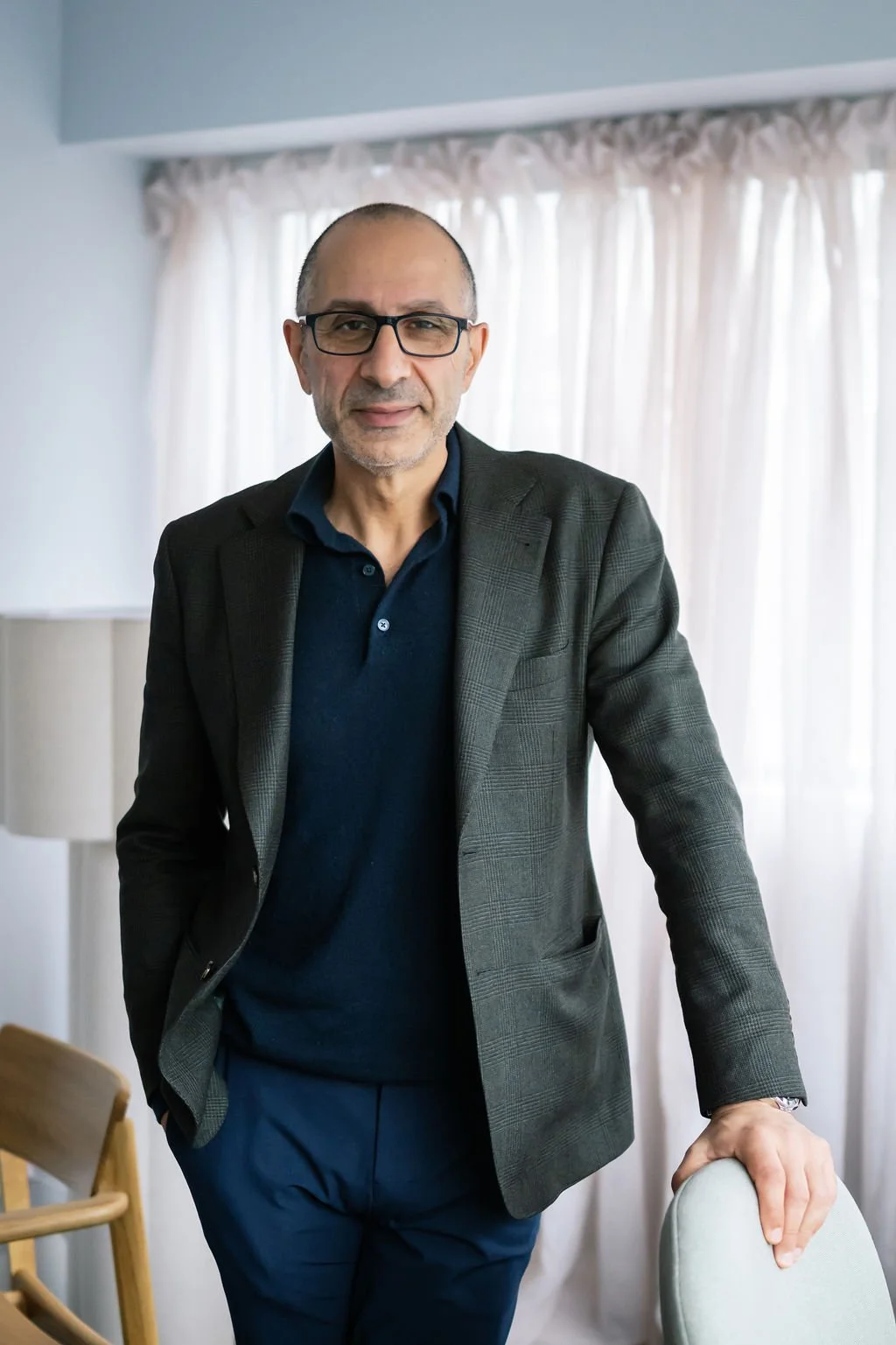
Dr Elie Khoury is a Senior Orthopaedic Trauma Surgeon at The Alfred Hospital, one of Victoria's leading trauma centres. With over 30 years of clinical experience, he provides expert care in high-pressure environments, where timely and effective treatment can change the entire course of a patient's recovery.
What Is Orthopaedic Trauma Surgery?
Orthopaedic trauma surgery is the urgent surgical treatment of injuries to the bones, joints, ligaments and soft tissues. It's a specialised area of orthopaedics that focuses on getting people back to function after sudden, often serious injury.
Common reasons people need orthopaedic trauma care include:
Broken bones (fractures), from simple to complex
Joint dislocations
Soft tissue injuries from accidents or high-impact events
Multiple injuries from a major trauma (car accidents, falls from height, workplace incidents)
Fractures that haven't healed properly after earlier treatment
Injuries around an existing joint replacement
Trauma surgery often happens under pressure. The decisions made in the first few hours (what to operate on, when to operate, which technique to use, which implants to choose) have a major impact on long-term function. Experience matters in trauma more than in almost any other area of orthopaedic practice.
When Orthopaedic Trauma Care Is Needed
Many trauma injuries are treated urgently in hospital and don't involve a planned referral. If you've been in a serious accident or had a major injury, you'll usually be assessed and treated through an emergency department.
You may need orthopaedic trauma care if:
You've broken a bone or dislocated a joint
You're experiencing pain or instability after an acute injury
Your function or mobility has been lost suddenly because of trauma
A previous injury hasn't healed properly (this is called a mal-union or non-union)
You're at risk of long-term complications from an injury, such as joint stiffness or deformity
You've had a fall, accident, or high-impact event that caused significant injury
You've had emergency surgery somewhere else and need ongoing specialist follow-up
Some patients meet Dr Khoury through the emergency department at The Alfred. Others come to him for planned follow-up care, second opinions, or for treatment of injuries that didn't heal well after earlier treatment.
Dr Khoury's Approach to Trauma Care
Trauma surgery is different from planned, elective surgery. Decisions often need to be made quickly. The patient is usually in pain, frightened, and not in a position to spend weeks weighing up options. The surgeon's training, judgement and calm under pressure matter more than ever.
Dr Khoury's approach is built around three principles.
The right operation, even when time is short Trauma decisions still need to be the right ones. Dr Khoury draws on more than 30 years of clinical experience to make those decisions well, even in high-pressure situations. The goal is always to give the patient the best possible long-term function, not just to fix the immediate problem.
Calm care in critical moments Patients arriving with serious injuries need a steady, experienced presence. Dr Khoury's calm, considered approach helps patients and their families feel heard and informed during what's often one of the most stressful experiences of their lives.
Specialist training and implant expertise Trauma surgery often involves complex fractures that need specialised implants and techniques. As Chair of the Australian Standards Committee for Surgical Implants, Dr Khoury brings deep expertise to every implant decision. His Oxford fellowship and senior appointment at The Alfred reflect a career-long commitment to complex orthopaedic care.
Why patients and referrers choose Dr Khoury for trauma care
Senior Orthopaedic Trauma Surgeon at The Alfred Hospital
Fellowship-trained at the Nuffield Orthopaedic Centre, Oxford
Over 30 years of clinical orthopaedic experience
Chair of the Australian Standards Committee for Surgical Implants
Experienced in complex trauma, including injuries around existing joint replacements
What To Expect - Before, During and After
The pathway through trauma care looks different depending on how you came into the system.
If you've had an acute injury and need urgent care You'll usually be assessed through an emergency department first. Imaging (X-rays, CT scans, sometimes MRI) is used to understand the injury. If surgery is needed, the operation may happen the same day, the next day, or after a short period of stabilisation, depending on what's been injured and the rest of your medical situation.
For patients treated by Dr Khoury at The Alfred Hospital, the care involves a coordinated team: the trauma team, anaesthetists, nurses, physiotherapists, and other specialists as needed. The aim is timely, effective treatment that gives you the best chance of full recovery.
If you need follow-up care after trauma Some patients see Dr Khoury for ongoing care after the initial emergency treatment is done. That might be in the weeks after surgery, or months and years later if something hasn't healed properly.
You may be asked to:
Bring any imaging, operation reports and discharge summaries from the original treatment
Provide a clear timeline of what's happened since the injury
Stop or adjust some medications before any further surgery
Meet with the pre-surgery team if further surgery is planned
Recovery Recovery from a trauma injury depends entirely on what was injured and how serious it was. A simple fracture treated well might be back to normal function within a few months. Complex multi-trauma injuries can take a year or more to fully recover from, with structured rehab along the way.
Dr Khoury will give you a clear, realistic view of what to expect for your specific injury. The goal is always to maximise long-term function and minimise long-term complications.
Frequently Asked Questions
-
Both. Dr Khoury treats acute trauma patients at The Alfred Hospital as part of his senior trauma appointment. He also sees patients for planned follow-up care, second opinions, and treatment of injuries that haven't healed well after earlier treatment elsewhere.
-
In the emergency setting, the trauma team on call manages care according to clinical need and surgeon availability. If you're already through the acute phase and looking for follow-up care, you can ask your GP or treating doctor for a referral to Dr Khoury.
-
A non-union is a fracture that hasn't healed when it should have. A mal-union is a fracture that has healed, but in the wrong position. Both can cause ongoing pain, loss of function, or deformity. Both can often be treated, though the operation is generally more complex than the original fracture surgery would have been.
-
Sometimes, yes. Some injuries that didn't heal well at the time can be improved with later surgery. The right decision depends on the original injury, what's been done since, your current function, and your goals. Dr Khoury will give you an honest view of what's possible.
-
Yes. To see Dr Khoury, a referral from your GP is required. You can also request to have a refer to Dr Khoury from your GP. Once you have it, our rooms will help you book a consultation that suits you.
-
Acute trauma is treated at The Alfred Hospital. Follow-up consultations are available at any of Dr Khoury's three locations: St Kilda Road Melbourne, the Mornington Peninsula at The Bays Hospital, and Albury at the Gardens Specialist Centre.
Related Procedures and Conditions
You may also want to look at: