
Sports Medicine & Sports Injury Surgery
Specialist care for hip and knee sports injuries, from a senior orthopaedic surgeon who understands the demands of staying active.
A blown ACL on the football field. A torn meniscus on the netball court. A hip that won't let you run anymore. A knee that's never quite been right since that one bad fall. Sports injuries don't just hurt your body. They take you away from the thing you love.
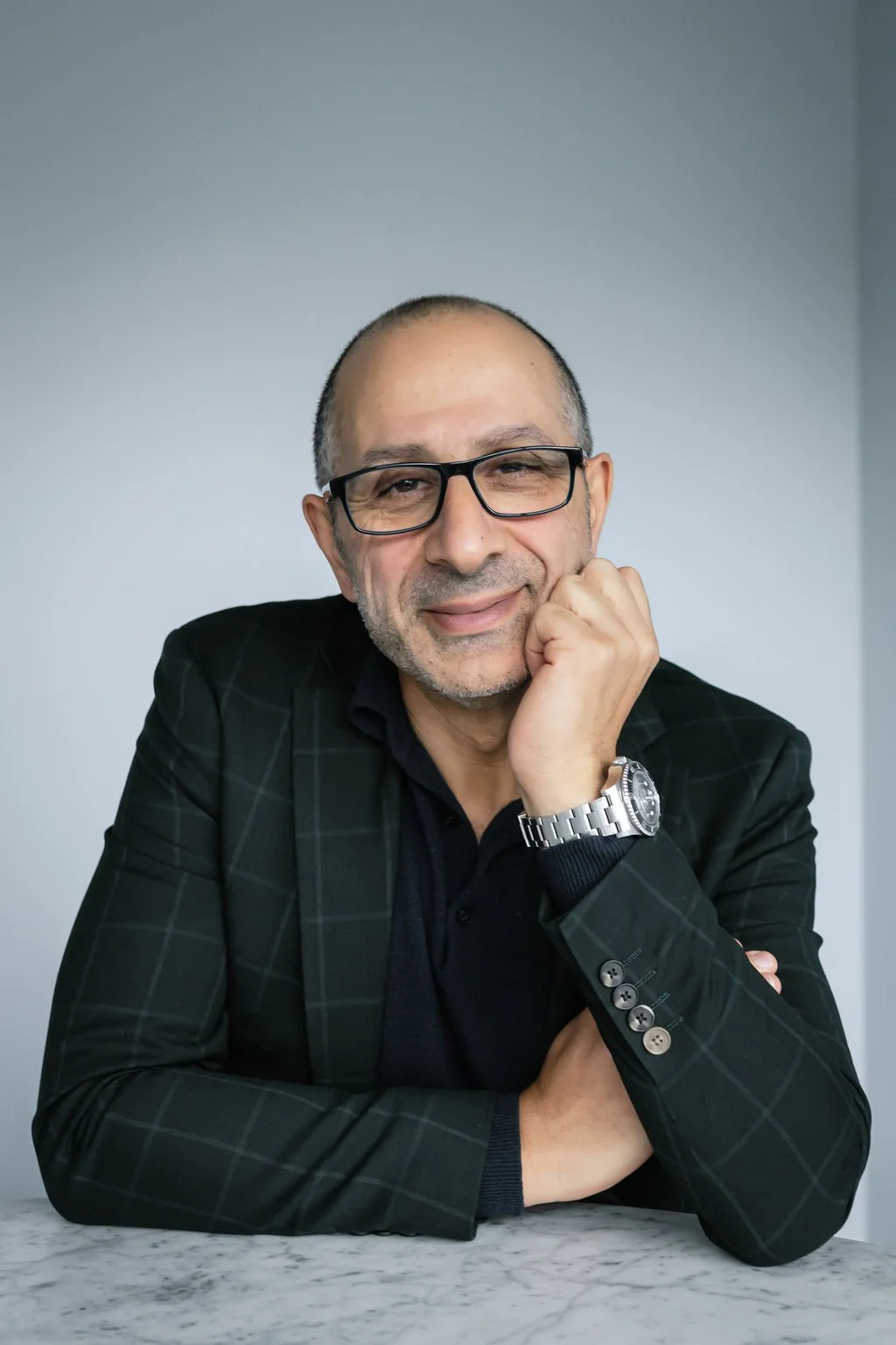
Dr Elie Khoury combines over 30 years of orthopaedic experience with a genuine, lifelong connection to sport. As Team Doctor for Malvern City Football Club, and a sports enthusiast himself, he understands the physical and mental side of being sidelined. Whether you're a serious competitor, a weekend player, or someone who just wants to stay active and pain-free, the goal is the same: get you back to the things that matter to you, safely and properly.
What Is Sports Medicine?
Sports medicine focuses on the prevention, diagnosis and treatment of injuries linked to physical activity. It's not just for professional athletes. It's for anyone whose injury is getting in the way of how they want to live, train or play.
In Dr Khoury's practice, sports medicine focuses on hip and knee injuries. That includes:
ACL tears and other knee ligament injuries
Meniscus tears
Cartilage damage in the hip or knee
Hip and knee pain from overuse or repetitive strain
Joint instability that's affecting performance
Injuries that haven't healed properly, or have come back after earlier treatment
Hip and knee issues that are stopping you from getting back to sport
Sports medicine care doesn't always mean surgery. Many sports injuries are managed well with physiotherapy, activity changes and time. When surgery is the right answer, the goal is the operation that gives you the best chance of full return to activity, with a structured rehab program to match.
When is Sports Medicine Care Recommended?
Sports injuries don't fit a single pattern. Some happen in an instant (a sudden pop, a twist, a fall). Others build up over weeks or months of training. Some settle with rest. Others get worse the longer they're ignored.
Sports medicine care can help if:
You have ongoing hip or knee pain from overuse or repetitive strain
You've torn a tendon, ligament or cartilage (such as your ACL or meniscus)
Your hip or knee feels unstable, weak, or unreliable during activity
You're not recovering from an injury the way you expected to
You've reinjured something that was previously treated
An older injury is now affecting your ability to train, play or stay active
Your hip or knee pain is starting to limit not just sport, but everyday life too
Dr Khoury will assess the injury, review any imaging, examine your hip or knee in detail, and walk you through your options. The path forward might be physio, activity changes, time, surgery - or a combination - depending on what's actually wrong and what you want to get back to.
Dr Khoury's Approach to Sports Medicine
There's a difference between treating an injury and treating an athlete. Both matter. Sports medicine is at its best when the surgeon understands not just the anatomy, but the activity, the demands of the sport, and what going back to it really involves.
Dr Khoury's approach is built around three principles.
The right plan for the right athlete What's right for a 17-year-old footballer is different from what's right for a 50-year-old runner, even when the injury looks the same on the scan. Dr Khoury tailors the treatment plan to your goals, your activity, and your stage of life.
Surgery only when it's the right answer Many sports injuries can be managed well without surgery. Dr Khoury will recommend non-surgical care first when it's reasonable, and surgery only when it's genuinely likely to give you a better outcome. Operating on an injury that would have healed on its own doesn't help anyone.
Rehab is half the recovery Sports surgery is a surgery and a rehab program, not a surgery alone. Dr Khoury works closely with experienced sports physios to guide you through each stage of recovery. Going back too early is one of the main reasons sports injuries come back.
Why patients and referrers choose Dr Khoury for trauma care
Team Doctor for MalvTeam Doctor for Malvern City Football Club
Lifelong sports enthusiast
Fellowship-trained at the Nuffield Orthopaedic Centre, Oxford
Over 30 years of clinical orthopaedic experience
Chair of the Australian Standards Committee for Surgical Implants
Specialist focus on hip and knee surgeryp and knee surgery
Common Hip and Knee Sports Injuries.
Sports injuries to the hip and knee come in many forms. Some of the most common Dr Khoury treats include:
ACL tears The anterior cruciate ligament is one of the most commonly injured ligaments in sport. ACL tears usually happen during a sudden change in direction, a pivot, or a bad landing. Treatment may involve surgery (ACL reconstruction) or non-surgical management, depending on the patient and their goals. [ACL Reconstruction]
Meniscus tears The meniscus is the cartilage cushion inside the knee. Sports-related meniscus tears usually come from a twist or sudden movement. Where possible, the meniscus is repaired rather than trimmed, to protect the knee long-term. [Meniscus Repair]
Cartilage damage The smooth cartilage that lines the hip and knee joints can be damaged in sport. Treatment depends on the location, size and type of damage, and ranges from non-surgical care to specific surgical procedures.
Hip pain from sport Active people can develop hip pain from overuse, from sudden injury, or from underlying conditions like cartilage damage or early arthritis. Working out what's causing the pain is the first step.
Knee instability A knee that gives way, feels loose, or doesn't hold up during activity may have an underlying ligament, meniscus, or cartilage issue. Investigation and treatment depend on the cause.
Overuse injuries Not every sports injury comes from a single event. Repetitive strain, training load that's increased too quickly, and biomechanical issues can all cause hip or knee pain that doesn't go away. These often respond well to non-surgical care.
What To Expect - From Consultation to Return to Sport
Your consultation Most sports patients come in with an injury that needs diagnosing or a treatment plan that needs setting. Dr Khoury will take a detailed history, examine your hip or knee, and review your imaging. By the end of the consultation, you'll have a clear understanding of what's wrong and what your options are.
Non-surgical care For many sports injuries, the first step is structured non-surgical management. That might include physiotherapy, activity changes, strengthening work, time, and sometimes injections. Dr Khoury works with experienced sports physios across his three locations.
Surgery, when it's needed When surgery is the right answer, you'll be walked through the operation, the rehab pathway, and a realistic return-to-sport timeline. The operation itself is one part of a longer plan.
Rehabilitation Sports rehab is structured, staged, and progressive. Each stage has clear goals, and the next stage doesn't start until those goals are met. Return-to-sport testing is used for higher-demand injuries (like ACL reconstruction) to make sure your knee is ready before you go back to play.
Return to activity The timeline depends on the injury and the treatment. Some sports injuries are back to normal within weeks. Others (like ACL reconstruction) take 9 to 12 months for a full return to twisting and pivoting sport. Dr Khoury will give you a realistic timeline for your specific injury.
Frequently Asked Questions
-
Not always. Many sports injuries can be managed well without surgery. The right decision depends on the injury, your age, your activity level, and what you want to get back to. Dr Khoury will give you an honest view.
-
Sometimes, sometimes not. Some injuries can be managed alongside continued activity. Others need a period of rest or modified activity to heal properly. Dr Khoury will give you specific guidance based on your injury.
-
It depends entirely on the injury and the treatment. A minor strain might settle in a few weeks. An ACL reconstruction is usually 9 to 12 months for full return to twisting and pivoting sport. Dr Khoury will give you a clear timeline for your specific case.
-
Most sports injuries can be managed well, especially with prompt, specialist care. Some injuries (like significant cartilage damage or repeated knee injuries) can raise the long-term risk of arthritis. Dr Khoury will be honest with you about the long-term picture.
-
Yes. Dr Khoury is the Team Doctor for Malvern City Football Club and a lifelong sports enthusiast. His specialist focus on hip and knee surgery, combined with his sports involvement, means he understands both the injury and the activity behind it.
-
Yes. To see Dr Khoury, a referral from your GP is required. You can also request to have a refer to Dr Khoury from your GP. Once you have it, our rooms will help you book a consultation that suits you.
-
Dr Khoury consults at three locations: St Kilda Road Melbourne, the Mornington Peninsula at The Bays Hospital, and Albury at the Gardens Specialist Centre. Our team will help you find the most convenient one.